
General planning guidance and legacy examples: Budget amounts, allocations and durations below are unverified legacy illustrations, not Prestigious Home Builders pricing, quotes, current Utah averages or commitments. Site suitability, soil, utilities and engineering require property-specific review. Permits and inspections depend on the jurisdiction’s adopted codes and local building authority. Confirm scope, allowances, change orders, schedules and warranties in writing; verify financing eligibility and terms with a lender.
Building a custom home is a big deal. It needs careful planning and a clear understanding of the steps involved. Before you start, it’s key to know what you want, how much you can spend, and what you expect.
It’s important to understand the custom home building process. This includes setting your goals, picking the right spot, and choosing a builder. Experienced home builders like Prestigious Home Builders can help you make smart choices for your project.
Careful planning helps align your home’s scope with your needs and budget.
Understanding the Custom Home Building Process
To have a successful custom home, you need to know the building process well. This knowledge helps you make smart choices during your project.
Defining Your Vision and Goals
The first step in building a custom home is to define your vision and goals. Think about your lifestyle, needs, and what you like. Knowing what you want will guide the whole building process.
You might want certain design elements or features that show your style. Discuss which features best serve your priorities within the site and budget constraints. Learn more about this at the custom home design process.
Timeline Expectations for Custom Home Construction
Knowing the timeline for custom home construction is key for planning. The time it takes can change based on design complexity, material availability, and builder’s workload. The original article’s “months to a year” is an unverified legacy illustration, not a project schedule or commitment. Design, approvals and site work may add time.
It’s important to work with your custom home builder to set a realistic timeline. For more details, check custom home timeline guide.
Key Differences Between Custom and Production Homes
Understanding the custom home process means knowing the differences between custom and production homes. Custom homes are made to fit your exact needs, giving you flexibility and personalization. Production homes, on the other hand, follow pre-designed plans for efficiency and cost.
While production homes are good for many, custom homes offer a chance to create a unique space. Knowing these differences helps you choose what’s best for you.
Financial Planning for Your Custom Home
A well-planned budget is key to a successful custom home project. It means understanding costs, looking at financing options, and planning for extra expenses. This helps assess whether the proposed scope is financially workable.
Setting a Realistic Budget
Creating a realistic budget is essential for building a custom home. You need to think about land costs, construction, and other expenses. For a detailed look at costs, check out the Utah custom home cost guide.
The following amounts and percentages are unverified legacy illustrations, not Prestigious pricing, quotes or current Utah averages. The source percentages do not consistently match the amounts; do not use them as a budget allocation model. Actual costs depend on the project.
| Budget Category | Estimated Cost | Percentage of Total Budget |
|---|---|---|
| Land Acquisition | $100,000 | 30% |
| Construction | $200,000 | 50% |
| Finishing Touches | $50,000 | 12.5% |
| Contingency Funds | $30,000 | 7.5% |
Financing Options for Custom Homes
Looking into financing options is a big part of planning your custom home’s finances. Lenders offer different loans, like construction loans and permanent mortgages. Ask lenders about eligibility, fees, rates, draw requirements and conversion terms. Availability and approval vary by lender and borrower; this is not a financing offer.
Hidden Costs to Anticipate
It’s important to think about hidden costs to avoid going over budget. These can include permit fees, inspections, utility connections, soil work and material-price changes. Review inclusions, exclusions and selection allowances, including how overages and unused allowances are reconciled under the contract.
Cost vs. Value Considerations
When building a custom home, think about the cost and value of features and materials. Efficient appliances may cost more upfront; operating costs depend on usage, utility rates and product performance. Savings are not assured.
Reviewing finances and the full scope can reduce avoidable budget gaps, but does not eliminate cost risk.
Selecting the Right Location and Property
Choosing the right location and property is key when building a custom home. You’ll need to evaluate building sites and understand local zoning laws. These steps are critical.
Evaluating Potential Building Sites
When looking at building sites, consider several factors. Think about the site’s topography, environmental conditions, and how easy it is to get to. For example, a sloped site may require additional foundation or drainage work. Before committing to land, discuss soil conditions and geotechnical or structural engineering needs with qualified professionals. Verify utilities, connection costs, access and easements rather than assuming the lot is ready to build.
It’s also important to check how the site handles sunlight, wind, and rain. Daylighting may reduce artificial-lighting needs, but solar heat gain, shading and window design also matter. Evaluate these trade-offs with your design team.
| Factor | Considerations | Impact on Construction |
|---|---|---|
| Topography | Slope, elevation, soil condition | Foundation requirements, drainage |
| Environmental Conditions | Sunlight, wind direction, flood risk | Energy efficiency, structural integrity |
| Accessibility | Road access, proximity to amenities | Construction logistics, quality of life |
Understanding Zoning and Building Restrictions
It’s vital to understand zoning and building restrictions to avoid legal problems. Zoning laws tell you how you can use your property. They include what kind of structures you can build and their purpose.
Confirm applicable zoning and building rules with the local planning or building authority. Distinguish adopted requirements from recorded covenants and architectural-review rules; not all of the following apply to every lot.
Key aspects to consider include:
- Minimum and maximum square footage requirements
- Setback requirements from property lines
- Height restrictions
- Architectural style guidelines
Site Preparation Requirements
Site preparation is a key step. It involves clearing the land, grading, and getting the soil ready for construction. The amount of site preparation needed can affect the construction timeline and budget.
Discuss site feasibility with your builder and appropriate specialists before finalizing land and design decisions.
Assembling Your Custom Home Building Team
Building a custom home needs a team of skilled professionals. You need a custom home builder, architects, designers, contractors, and subcontractors. Each plays a key role in making your dream home a reality.
Choosing a Reputable Custom Home Builder
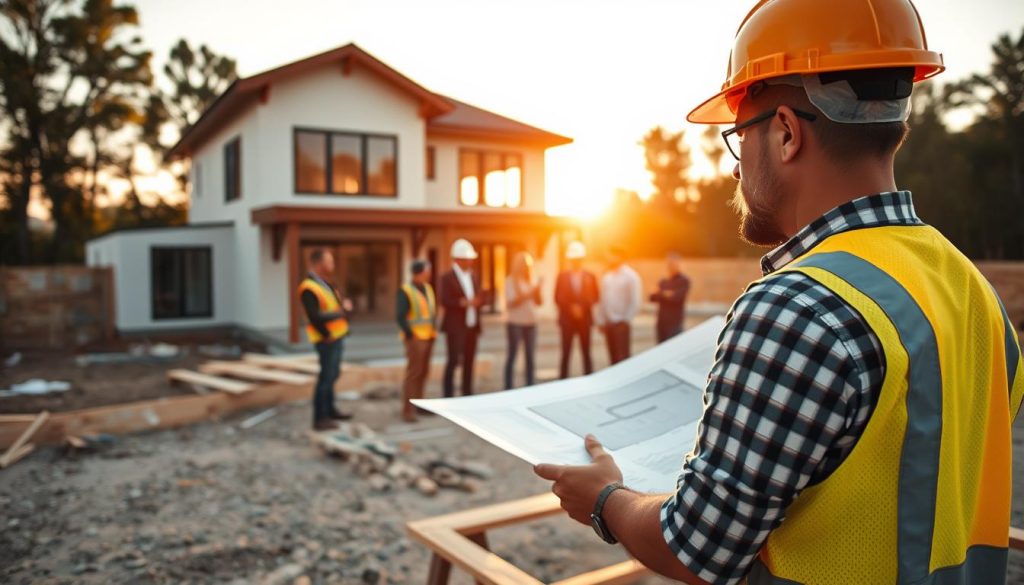
Finding the right custom home builder is key. They should have a good track record and lots of experience. Look for a builder with a portfolio that shows their work.
They should also have happy clients to talk about their work. Consider how well they communicate and manage projects. Discuss whether the scope fits your budget and how cost changes are documented.
It’s also important to know if they understand local building codes. Familiarity with local rules can help coordination; confirm requirements with the local building authority.
Working with Architects and Designers
Architects and designers are essential. They help turn your ideas into a real home. They should know how to make your home both beautiful and functional.
It’s important to work well with your builder and designers. They should keep you updated and be open to changes. Agree on responsibilities, decision deadlines and how revisions are reviewed.
The Role of Contractors and Subcontractors
Contractors and subcontractors are the heart of the project. They make the design real. The general contractor manages the project and the subcontractors.
| Role | Responsibilities | Importance |
|---|---|---|
| General Contractor | Oversees the project, manages subcontractors, and coordinates the schedule. | High |
| Subcontractors | Specialize in specific trades such as electrical, plumbing, and carpentry. | High |
| Architects/Designers | Create the design and plans, ensuring functionality and aesthetics. | High |
Knowing what each team member does helps. A coordinated team can manage cost and schedule risks, but cannot eliminate them.
What to Know When Building a Custom Home: Essential Design Considerations
Building a custom home needs careful planning. The design affects daily use; any resale effect depends on the property and market. It’s key to get it right.
Balancing Aesthetics and Functionality
A good custom home balances looks and use. Looks are important for beauty, but function is key for living well. For example, a custom home design with open plans can make spaces feel bigger and work better.
To find this balance, think about these:
- Know your lifestyle and needs for the best layout.
- Add beauty with natural light, big windows, and high ceilings.
- Choose materials and textures for depth and interest.
Future-Proofing Your Home Design
Designing for the future means thinking ahead. Add features like adaptable spaces, smart tech, and green materials. Adaptable design may accommodate changing needs; it does not assure a longer service life or higher resale value.
Here are ways to future-proof:
- Make spaces that can change with you.
- Evaluate efficient systems for your climate, usage and budget.
- Compare material durability, maintenance needs and manufacturer instructions.
Energy Efficiency and Sustainability Options
Consider solar panels, efficient appliances and materials with suitable environmental characteristics. Operating costs and environmental effects depend on design, products and usage; savings are not guaranteed. Confirm applicable adopted energy-code requirements with the local building authority.
Popular green options include:
- Building with recycled and local materials.
- Evaluating rainwater and greywater systems where permitted, with appropriate approvals and professional design.
- Choosing efficient HVAC and insulation.
Selecting Materials and Finishes
Choosing materials and finishes for your custom home is a big decision. You need to think about durability, looks, and cost.
Exterior Materials and Durability Factors
The outside of your home faces many weather conditions. So, picking the right materials is key for lasting well and easy upkeep. Brick, stone, and vinyl siding are common options; durability and maintenance depend on the product, installation and exposure.
Brick can be durable when appropriately detailed and installed. Vinyl siding may cost less than masonry depending on product and installation. Think about climate, maintenance and appearance. The table is a general comparison, not a product rating or cost estimate; actual performance and costs vary.
| Material | Durability | Maintenance | Cost |
|---|---|---|---|
| Brick | High | Low | High |
| Vinyl Siding | Medium | Low | Medium |
| Stone | High | Low | High |
Interior Finishes and Quality Considerations
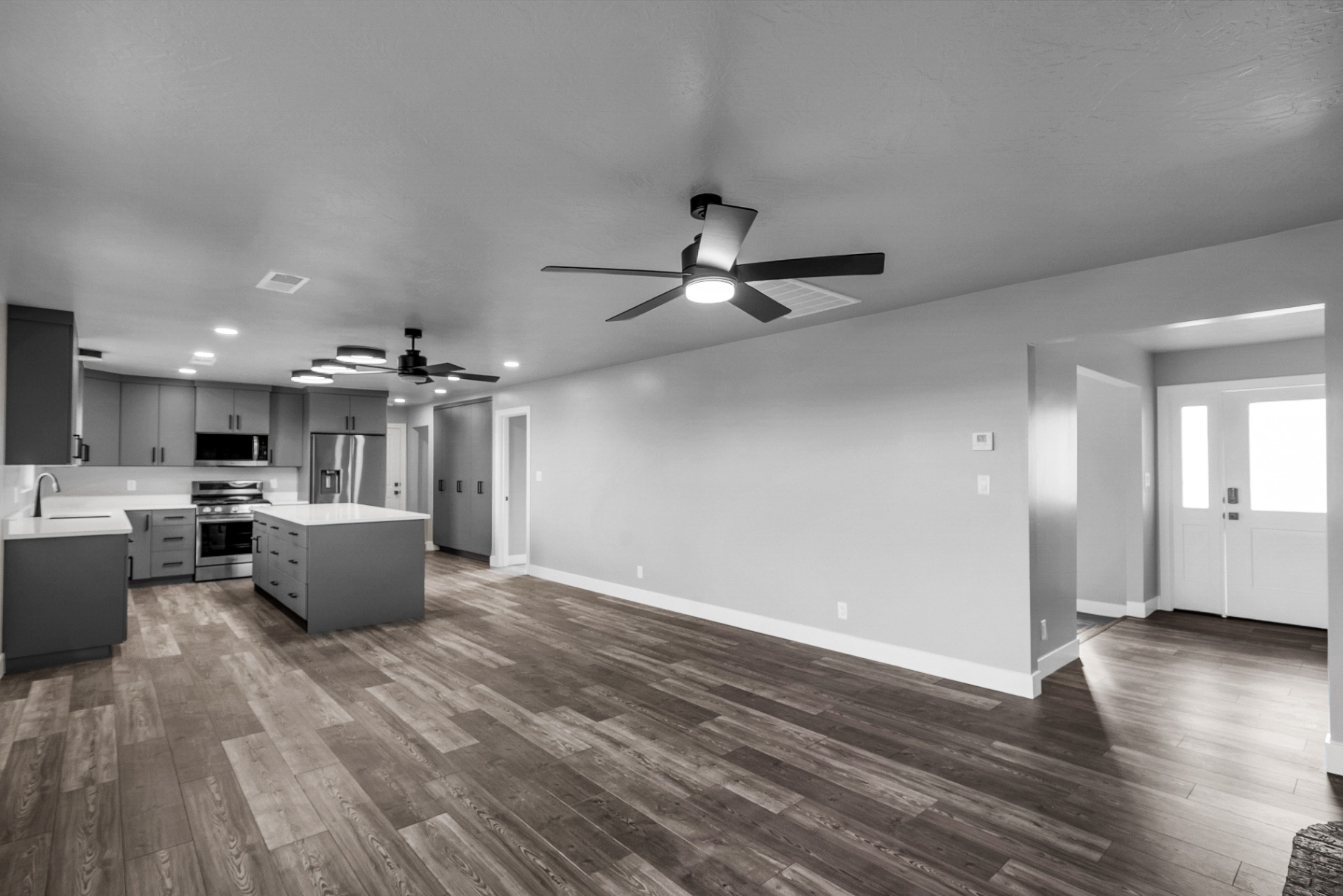
Interior finishes greatly affect your home’s look and feel. From floors to countertops, your choices shape your living spaces. Hardwood flooring is loved for its beauty and strength. Granite countertops add a touch of luxury.
Think about your lifestyle, taste, and home design when picking finishes. If you’re remodeling or designing, mix beauty with practicality.
Balancing Quality and Budget
Finding the right balance between quality and cost is tough. It’s easy to go for the cheapest, but think about the long-term benefits.
Choosing better materials and finishes might cost more upfront. They may require less upkeep or repair, but higher initial cost does not guarantee lower lifetime cost. Compare manufacturer maintenance instructions and warranty terms.
Navigating the Pre-Construction Phase
The journey to your dream home starts in the pre-construction phase. This stage is all about careful planning and preparation. It’s the foundation for a successful custom home building project.
Permits and Approvals Process
Getting the right permits and approvals is a key step. This process can be tricky and takes time. Confirm the jurisdiction’s adopted codes, permit requirements and review process with the local building authority.
Working with your custom home builder and local authorities is key. They can help you understand what permits you need. They also assist in getting the approvals you need.
The following review durations are unverified legacy illustrations, not current local processing times or commitments. Permit categories, separate approvals and actual review times depend on jurisdiction, scope and application completeness. Confirm responsibility for applications, fees, supporting engineering and inspections in your agreement.
| Permit Type | Description | Typical Processing Time |
|---|---|---|
| Building Permit | Required for the construction of the home | 2-4 weeks |
| Zoning Permit | Ensures compliance with local zoning regulations | 1-3 weeks |
| Electrical Permit | Needed for electrical system installation | 1-2 weeks |
Finalizing Plans and Specifications
It’s important to finalize your home’s plans and specifications in this phase. You’ll work with your architect, designer, and builder. Confirm that drawings, engineering where needed, specifications, selections and allowances describe the agreed scope.
Preparing the Construction Site
Preparing the construction site is a critical step. This includes clearing the land and grading the site. It’s essential for a smooth construction process.
Before construction, review scope, budget assumptions and outstanding approvals with your team.
Managing the Construction Process
Managing the construction process is key to making your custom home dream come true. It involves many important steps that work together. These steps are essential for a successful project.
Construction Phases Explained
The construction process has several phases, each with its own challenges. These phases include:
- Pre-construction: This phase is about finalizing plans, getting permits, and preparing the site.
- Foundation work: This step is critical and needs careful planning and execution.
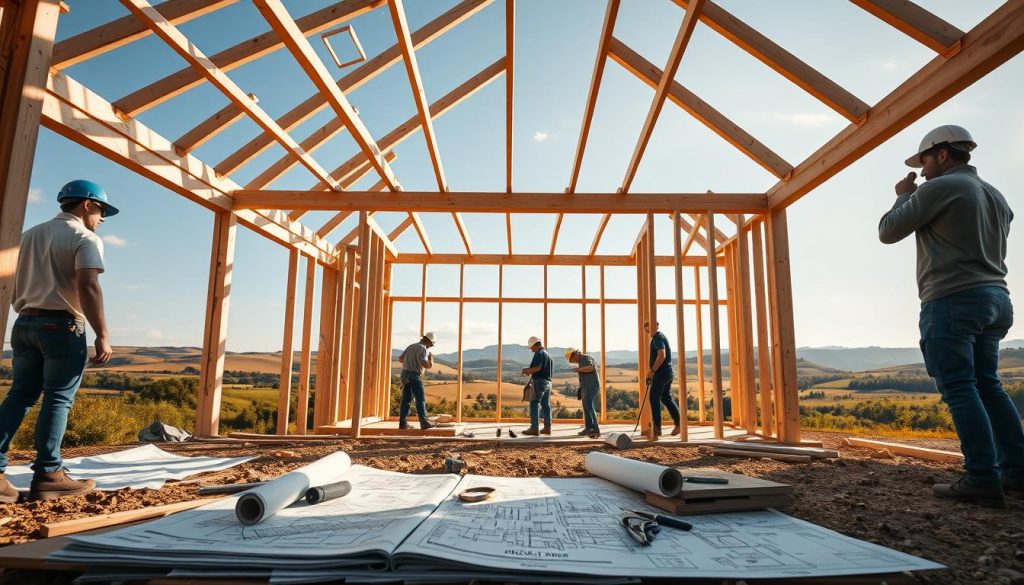
- Framing: Here, the home’s skeleton is built, including walls and roof.
- Installation of electrical, plumbing, and HVAC systems: This phase makes sure your home works well and is comfy.
- Finishing work: The last phase adds finishes like flooring, cabinets, and countertops.
Quality Control and Inspections
Keeping high standards throughout the construction process is vital. Required inspections and separate quality reviews can identify issues, but do not catch every defect. Confirm required stages with the local building authority and clarify who documents and resolves findings.
Before signing, review the written warranty, coverage, exclusions, claim procedure and responsibility for follow-up work. Do not assume all products and workmanship carry the same coverage.
Handling Changes and Modifications
Changes and modifications can happen during the construction process. It’s important to know how to handle them. This may require updated plans and schedules. Before approval, request a written change order describing scope, price, allowance adjustments and schedule effects, with authorization as required by the contract.
Understanding the construction phases, focusing on quality control, and documenting changes can help manage project risks.
Conclusion: Bringing Your Dream Home to Life
Building a custom home is a big deal. It needs careful planning, attention to detail, and a skilled team. By learning about the custom home building process, you can make a home that fits your needs and dreams.
To make this happen, it’s key to follow some tips. Start by defining what you want and need. Then, pick the right place and builder. And, manage the building process well. With the right advice, you can avoid mistakes that cost a lot.
Use this overview to organize pre-build questions about land, scope, responsibilities and budget. To discuss a potential project with Prestigious Home Builders, request a quote.
FAQ
What are the key steps involved in building a custom home?
Building a custom home involves several steps. First, you need to define your vision and goals. Then, choose the right location and property. Next, assemble a building team. Design your home, select materials and finishes, and navigate the pre-construction phase. Lastly, manage the construction process.
How do I define my vision and goals for my custom home?
To define your vision, think about what you need and want in your home. Consider the style, size, and features you desire. Discuss your priorities and trade-offs with your builder and design team.
What are the differences between custom and production homes?
Custom homes are made to fit your specific needs. Production homes follow a pre-designed plan. Custom homes generally offer more flexibility; relative cost and duration depend on the sites, designs, selections and scopes being compared.
How do I set a realistic budget for my custom home?
Setting a budget involves several factors. Consider land, construction costs, materials, labor, and extra expenses. Working with a financial advisor and builder can help set a realistic budget.
What financing options are available for custom homes?
Ask a lender about construction and permanent mortgage options for a new build. Eligibility, availability and terms vary; renovation loans may not suit new-home construction. Confirm requirements before committing to land or construction.
How do I choose the right location and property for my custom home?
Choosing the right location involves several factors. Look at zoning, building restrictions, site preparation, and environmental factors. A builder and real estate professional can help evaluate a site; refer soil, engineering, utility and approval questions to appropriate specialists.
What are the essential design considerations for a custom home?
Design considerations include aesthetics and functionality. Think about future needs and energy efficiency. Working with architects and designers can help create a design that meets your needs.
How do I manage the construction process for my custom home?
Managing construction involves understanding the process and quality control. Handling changes and working with a reputable builder is key for a successful project.