
There is no single component that is always the most expensive part of building a house. Framing, interior finishes, foundations, and major mechanical systems can each represent a major portion of the construction budget. Which category leads depends on the design, site conditions, specifications, and what the estimate includes. Land and site development may also be substantial when you consider the entire project rather than construction alone.
A difficult foundation can be a major expense, but that does not make foundations the largest category on every home. Compare a complete, itemized estimate instead of assuming one component will dominate your budget.
Introduction to House Construction Budget
A useful house construction budget covers more than materials and labor. Establish whether the total includes land, site investigation, design and engineering, permits, utility connections, construction, and other project expenses. Otherwise, two seemingly comparable totals may describe very different scopes.
The main construction categories also need consistent definitions. A builder may group cabinetry, countertops, flooring, and interior trim under finishes, while another may price those items separately. A large combined category is not directly comparable to a narrowly defined trade package.
| Construction category | What to review in the estimate |
|---|---|
| Foundation | Excavation, footings, concrete, reinforcement, drainage, and any site-specific engineering |
| Framing | Structural materials, labor, roof framing, sheathing, and engineered components |
| Major systems | Plumbing, heating and cooling, electrical equipment, and installation |
| Exterior envelope | Roofing, wall finishes, windows, doors, and weather protection |
| Interior finishes | Cabinetry, countertops, flooring, trim, fixtures, and installation |
These categories are a planning checklist, not a percentage allocation. The appropriate breakdown comes from the plans and the actual site. For the broader variables behind an estimate, see what affects the cost of building a home.
Understanding the Costs: Foundation Expenses
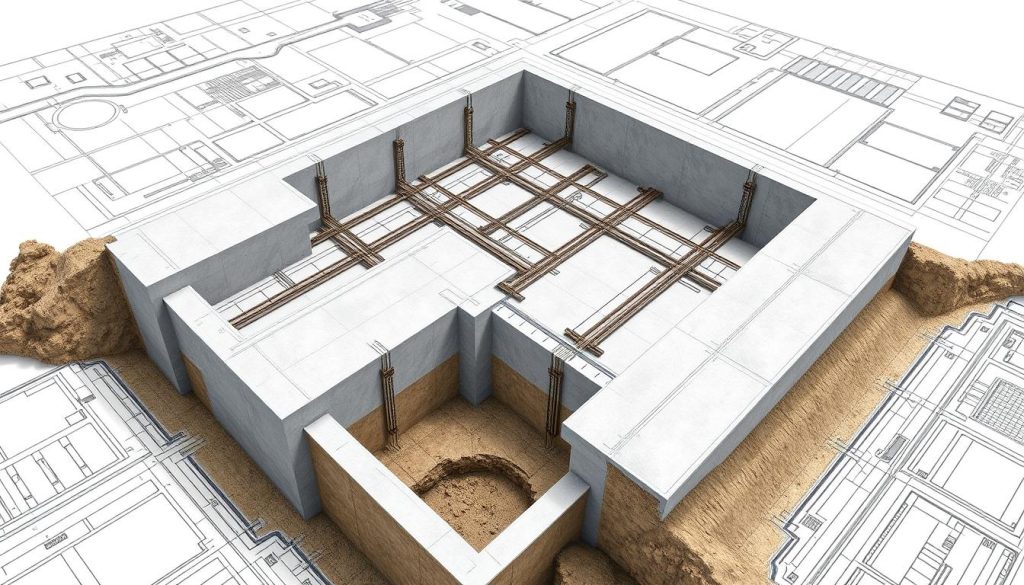
The foundation transfers the home's loads to the ground. Its design must respond to the structure, soil conditions, drainage needs, and applicable requirements. Because much of this work is difficult to change later, foundation planning deserves attention even when another category costs more.
The Significance of a Strong Foundation
Foundation performance depends on suitable design, materials, construction, and site drainage—not simply spending more. Ask how the proposed system addresses the property's conditions and what information supports the design. Structural or geotechnical questions should be reviewed by the appropriate qualified professional.
Factors Influencing Foundation Costs
The home's footprint, soil characteristics, excavation access, reinforcement needs, groundwater or drainage conditions, and foundation type can all affect the scope. Difficult ground conditions may require additional investigation or engineering, but the required work should be established for the lot rather than assumed from its location alone.
For a Southern Utah project, ask what site information is available and whether additional investigation is needed before an estimate can be treated as reliable. A nearby property's experience is not a substitute for reviewing your own lot.
Comparing Foundation Types: Slab, Crawl Space, and Basement
A slab may involve less excavation than a basement on a comparable site. Crawl spaces and basements introduce different requirements for access, walls, moisture management, and usable space. However, there is no universal cost ranking that applies to every site and design.
Compare complete proposals rather than concrete quantities alone. Include excavation, drainage, waterproofing where applicable, structural work, and any finishing needed to make the spaces comparable. If a basement adds usable area, distinguish its shell cost from the cost of finished living space.
Most Expensive Part of Building a House
Comparative Analysis of Construction Expenses
The most expensive category is the one that accounts for the largest share of your defined project scope. A straightforward home on a difficult lot may have a different cost profile from a highly customized home on a readily buildable lot.
| Category | Why it can become a major expense |
|---|---|
| Foundation and site work | Challenging excavation, drainage, soil conditions, or structural requirements |
| Framing | A large structure, complicated roof geometry, long spans, or specialized components |
| Major systems | Equipment requirements, distribution complexity, fixture counts, and installation labor |
| Interior finishes | Extensive cabinetry, custom millwork, multiple finished spaces, and premium selections |
| Exterior envelope | Large window packages, complex roofing, and demanding exterior detailing |
When Foundations Can Top the Expense List
Foundations can be particularly costly when the site or design requires substantial excavation, engineered solutions, or extensive below-grade work. That possibility is a reason to investigate early, not a reason to label every foundation the largest expense.
Ask the builder to identify the largest categories in the current estimate, the assumptions behind them, and which unresolved items could change the total. This makes the comparison more useful than a national or generic ranking.
Land Acquisition and Preparation Costs
The purchase price of a lot is only part of its cost to develop. A less expensive lot may require more clearing, grading, drainage work, access improvements, or utility infrastructure. A higher-priced lot is not automatically ready to build on either.
Before comparing properties, review:
- Surveys and any necessary site investigations.
- Clearing, grading, excavation, and access for construction equipment.
- Water, sewer or an approved alternative, electrical service, and other required connections.
- Drainage, retaining structures, and foundation implications.
- Applicable approvals and the boundaries between included and excluded work.
Keep land acquisition separate from the construction subtotal so that cost-per-square-foot comparisons do not conceal different assumptions. Confirm connection responsibilities and fees with the relevant provider or authority rather than using a general allowance as a confirmed charge.
The High Cost of Framing a House
Framing creates the structural framework of the home. Material quantities, lumber or steel specifications, roof design, structural spans, and skilled installation all influence its cost. Market availability and delivery conditions can also affect the proposal.
A simple footprint and repetitive structural details may be easier to build than a design with many corners, unusual openings, or complex roof intersections. The actual difference needs to be priced from the plans.
When comparing framing proposals, establish whether they include labor, structural materials, engineered components, roof trusses, sheathing, and related work. Rates for garage framing, roof framing, additions, or interior partitions are not interchangeable with a whole-home framing estimate.
Major Systems Installation: Plumbing, HVAC, & Electrical
These systems support everyday comfort, function, and safety. Their budgets depend on the home's size and layout, the equipment selected, and the extent of installation work.
Plumbing — A Necessary Expense
Plumbing scope can include supply and drain piping, fixtures, water heating, and any site-specific wastewater arrangements. Fixture counts, bathroom locations, routing, and product selections affect the proposal. More expensive products do not automatically guarantee longer service life; review suitability, installation requirements, warranties, and maintenance needs.
Heating, Ventilation, and Air Conditioning (HVAC) Systems
Heating and cooling costs depend on equipment, capacity, distribution, controls, ventilation, and the building envelope. Have the system selected and sized for the actual design. Higher efficiency may reduce energy use, but operating savings depend on climate, utility rates, installation, maintenance, and how the home is used.
Electrical Wiring: The Lifeline of Your Home
Electrical work includes service equipment, circuits, outlets, lighting, and provisions for appliances or specialized technology. A detailed lighting plan and early decisions about major electrical loads help clarify scope. Confirm applicable requirements with the project team and local authority rather than assuming every jurisdiction has identical rules.
Choosing Windows and Doors: Impact on Your Budget
Windows and doors affect the enclosure, appearance, daylight, and comfort of a home. Size, quantity, glazing, frame materials, custom configurations, and installation details all influence the package price.
Compare installed packages with equivalent dimensions and performance specifications. Energy performance depends on the whole assembly and how it is installed, not just a product label. Better-performing products may reduce heating or cooling demand, but there is no universal bill-saving percentage or guaranteed payback.
For a Southern Utah home, discuss orientation, shading, glazing, and cooling needs together. Select a package that suits the design and performance goals rather than assuming the most expensive option is necessarily the best fit.
Interior and Exterior Finishes
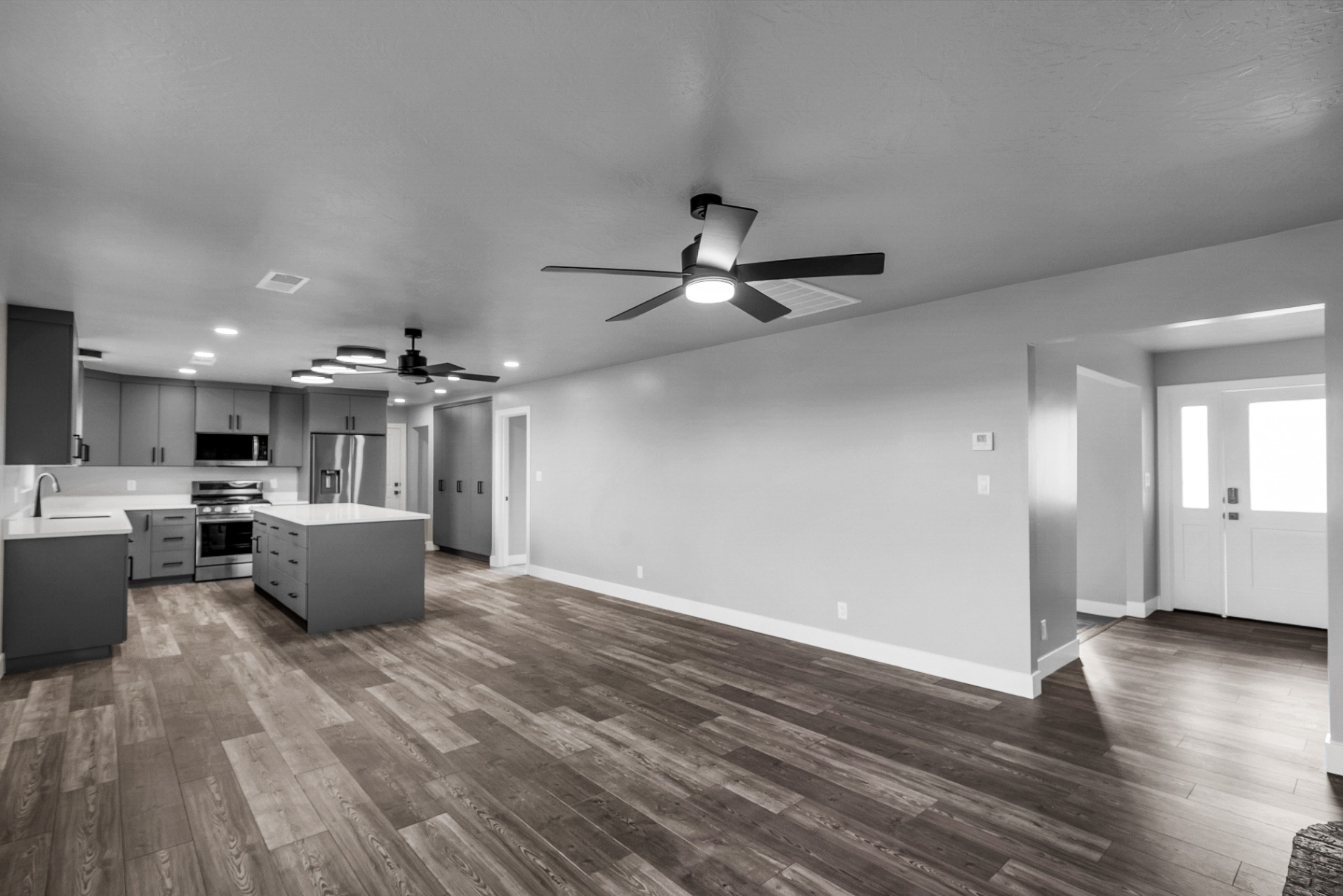
Finish selections can materially change the budget even after the floor plan is established. Kitchens and cabinetry deserve particular attention because cabinet extent, configuration, hardware, countertops, and installation details can all change the scope.
| Selection | Useful comparison questions |
|---|---|
| Countertops | What material, edge detail, fabrication, and installation are included? |
| Flooring | Are preparation, underlayment, transitions, and installation included? |
| Cabinetry | Are the dimensions, construction, hardware, finish, and fitting comparable? |
| Exterior doors | Are size, glazing, finish, performance, and installation equivalent? |
| Patios and decks | Do proposals cover the same area, structure, preparation, and finish? |
Premium materials and custom work can raise costs, but generic percentage premiums are not reliable substitutes for matching specifications. Compare durability and maintenance separately from appearance, and do not assume a higher purchase price guarantees a resale return.
Luxury Home Building Costs vs. Standard Construction
Luxury features can change both the quantity and complexity of work. Custom millwork, specialty rooms, large glazing systems, elaborate finishes, and integrated technology may require additional coordination and specialized installation.
There is no single total-price range that meaningfully defines every standard or luxury home. Size, site, specifications, and included project expenses must be known first. Review the features that matter to you with the luxury home building team and request an estimate based on a defined scope rather than a label.
Planning for Budget Variability
Before construction, ask:
- Which categories are currently the largest, and how are they defined?
- Which site conditions or design decisions remain unresolved?
- Which selections are fixed prices, and which are allowances?
- What is excluded from the estimate, including land and utility work?
- How will proposed changes be priced and approved?
- What project-specific contingency is appropriate for the remaining uncertainty?
Resolve important decisions early where practical, but recognize that planning cannot eliminate all surprises. Document assumptions and update the budget when scope or information changes. The custom-home design process can help frame those early discussions.
FAQ
What Is the Most Expensive Part of Building a House?
It varies. Framing, finishes, foundations, and major systems can each be major categories. Compare the complete estimate for your design and site; no category is always the largest.
What Factors Influence Foundation Costs?
The footprint, foundation system, soils, excavation, drainage, reinforcement, structural design, and applicable requirements all matter. Establish the scope from site-specific information.
How Do Different Foundation Types Compare in Terms of Cost?
Basements generally involve deeper excavation and additional walls compared with slabs, but costs depend on the lot and the complete design. Compare equivalent scopes, including any finished space.
Why Can Foundations Become a Major Expense?
They combine structural work, materials, labor, and site-dependent requirements. Difficult excavation or engineered solutions can increase the scope without making foundations the largest category on every project.
How Does Land Acquisition Affect the Overall Budget?
The lot price changes the total project budget, while site preparation and utility access add separate expenses. Review these together before deciding that a lot is inexpensive to develop.
What Makes Framing a High-Cost Area?
Material quantities, structural complexity, labor, and engineered components can make framing substantial. A complete proposal is more informative than a rate for one isolated framing task.
Why Are Plumbing, HVAC, and Electrical Systems Significant?
They involve equipment, distribution networks, fixtures, and skilled installation. Their costs depend on the design and specified performance requirements.
What Should Homeowners Consider When Choosing Windows and Doors?
Review installed cost, dimensions, materials, performance, shading, and maintenance. Energy savings are project-dependent and should not be treated as guaranteed.
How Can Interior and Exterior Finishes Affect Costs?
The amount of finished area, material selections, custom detailing, and installation requirements all affect the total. Establish allowances against realistic selections rather than assuming every upgrade has a standard premium.
How Do Luxury Home Costs Differ From Standard Construction?
More customization, specialized systems, premium finishes, or complex structures can increase costs. The actual difference requires comparable plans and specifications, not a generic luxury price bracket.
Plan Your Next Step
The goal is not to minimize one component at the expense of the rest of the home. It is to understand the complete scope, identify the largest cost drivers, and make informed choices about the site, design, and selections.
Discuss your plans with Prestigious Home Builders through new home construction or request a project consultation to begin a scope-based budget conversation.
For broader cost planning rather than a component ranking, read the Utah custom-home cost guide. Review the custom-home timeline alongside the scope and design decisions.