
Remodeling in Utah starts with defining what will change, investigating the existing home, and coordinating the work around everyday life. A cosmetic refresh and a layout-changing renovation are different projects—even in the same room. The recovered article focuses primarily on bathrooms; those examples are retained here to explain broader remodeling expectations, not to establish a statewide price list.
Plan Around Scope, Not an Assumed “Utah Premium”
The source attributes higher costs to demand and transportation, but supplies no evidence for a current statewide premium. Ask for current project-specific estimates instead of applying an assumed regional markup or relying on an old quote.
Before requesting bids, identify the rooms affected, what remains in place, which systems may change, and your priorities for function and finish. For work across several rooms, start with a full-home remodeling scope; a limited interior remodel needs its own boundaries.
Cost Breakdown by Project Scope
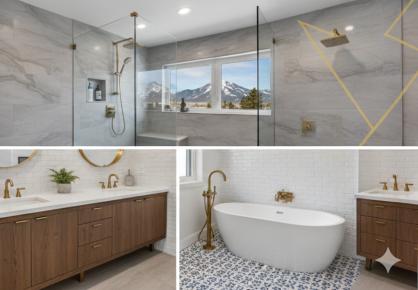
The source's three bathroom categories remain useful descriptions, but their unverified prices are not retained:
- Cosmetic refresh: Painting, hardware, and selected fixture changes while generally keeping the existing layout.
- Mid-range update: Replacing items such as a vanity, flooring, or a tub or shower surround. Confirm the actual products, installation, and repair scope rather than relying on the label.
- More extensive renovation: Moving plumbing, adding custom tile, changing the layout, or installing specialized features. These choices can expand design and installation work.
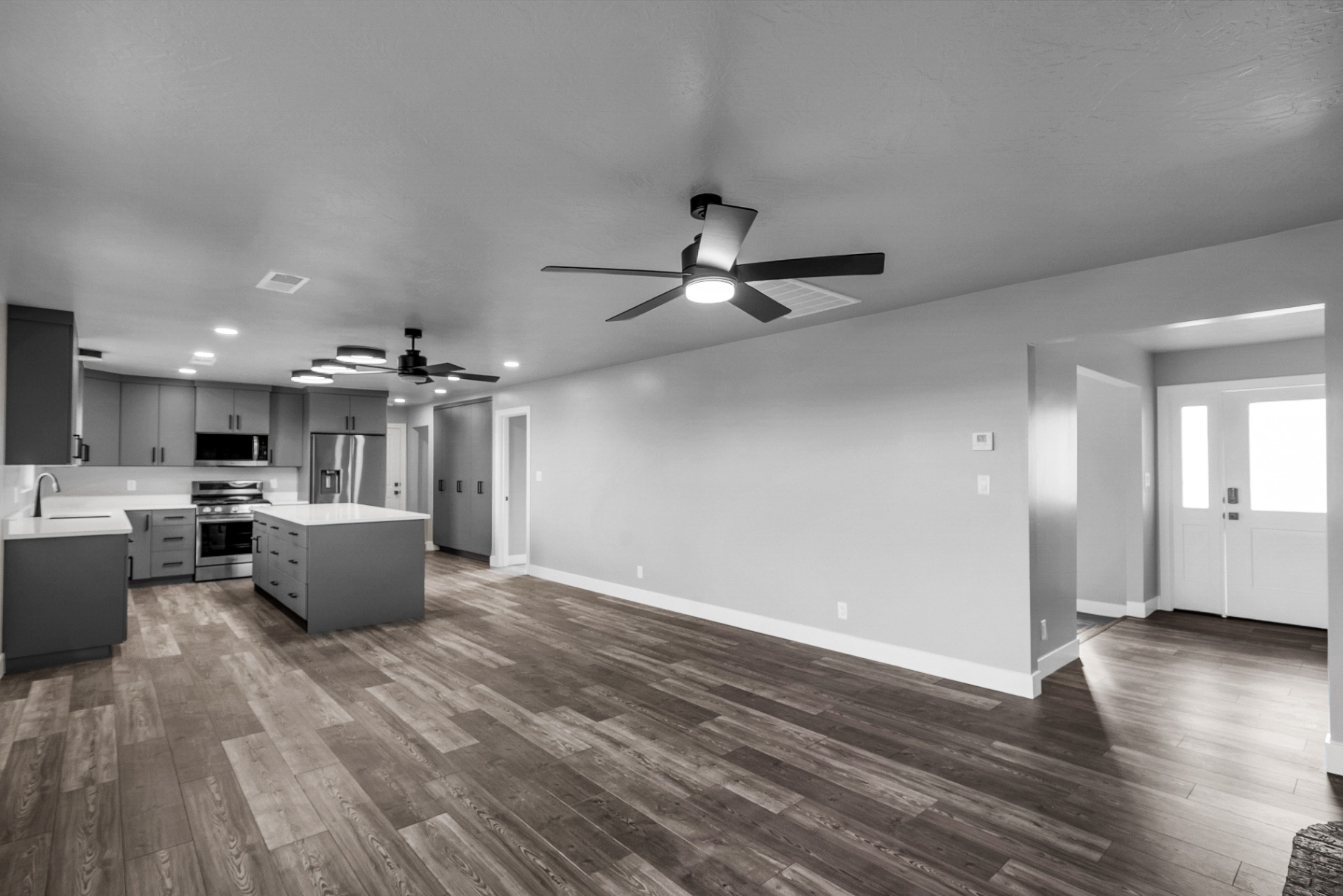
A similar scope-first approach helps with a kitchen remodel, but bathroom examples should not be treated as prices for other rooms.
The Wet-Area Focus
A tub or shower project may be narrower than a full bathroom renovation, but the scope still needs to address the condition of the existing assembly and the proposed work. Discuss access, usability, materials, and any plumbing changes with the project team. A walk-in design is not automatically suitable for every user's access needs.
Why Square Footage Alone Is Not Enough
The historical article compares powder rooms, guest bathrooms, and primary suites. That distinction is useful for discussing fixtures and layout, not for applying its unsupported size-based totals or per-square-foot benchmark.
A small room can still involve plumbing, electrical work, tile installation, and difficult access. A larger room with an unchanged layout may involve different work from a smaller room with relocated drains. Compare an itemized scope, not only the area.
Hidden Budget Drivers in an Existing Home
Regional and Site Differences
Location can affect delivery, access, and trade availability. The source discusses St. George, Salt Lake City, and Park City, but does not substantiate regional rankings or a mountain-town percentage premium. Ask how your actual address and home conditions affect the proposal. Do not assume an older home's systems are sound—or defective—based only on its location.
Permits, Inspections, and Local Review
Confirm requirements with the building authority responsible for the property, based on the proposed work and current applicable rules. Changes involving walls, plumbing, electrical systems, or other building systems may require review or permits. Even a project described as a “refresh” needs scope-specific confirmation; this article does not establish an exemption.
Identify who will obtain approvals, pay fees, coordinate inspections, and document completion in the written agreement. No fixed statewide permit fee, approval outcome, insurance result, or company handling commitment is established by the recovered source.
Existing Conditions and Structural Questions
Work can reveal moisture damage, deteriorated materials, or systems that need attention. Agree on how discoveries will be evaluated, priced, and approved before additional work proceeds.
If structural concerns arise, seek an appropriate professional assessment. The historical source's suggestion of inexpensive seismic strapping is not a safety assessment or repair specification; neither the need nor the cost can be inferred from a general article.
Materials, Labor, and Installation
The recovered article usefully highlights that buying fixtures is only part of remodeling. Demolition, preparation, plumbing, electrical work, and finish installation also belong in the scope. It does not verify a standard labor share of the total budget.
Choose materials with installation requirements and maintenance in mind. Natural stone, wood accents, and tile are design options, not proof of a statewide trend or a guarantee of durability. Have the installer assess suitability for the intended location and use.
Schedules and Living Through Remodeling
The source discusses short bathroom schedules, but those ranges are not verified promises. Request a project schedule that reflects design decisions, selections, deliveries, approvals where required, trade coordination, and possible discoveries after demolition.
Agree on access, work hours, dust and noise expectations, and how unavailable rooms will affect the household. If a bathroom is involved, discuss how the household will manage without it. See living through renovation for related planning.
Be cautious about comparing a limited surface-update offer with a more extensive renovation. Ask what each proposal investigates, repairs, excludes, and warrants. Neither a rapid installation nor a custom remodel by itself proves that concealed problems have been resolved.
Value, Water Efficiency, and Design Priorities
The source's resale-recovery percentage and claim that a bathroom remodel is among the best investments are unsupported and are not retained. Plan first for the household's needs; resale response varies with the property, market, scope, and buyer preferences. See remodels that add value for related considerations, not a guaranteed return.
Water-efficient fixtures may be worth considering, but compare product performance and suitability rather than assuming a sale-price benefit. Keeping a bathtub may matter to some households or buyers; it is not a universal Utah resale rule.
Financing and Managing Changes
If considering financing, discuss available products, eligibility, rates, fees, repayment, and risks directly with a lender. A home-equity line of credit is one possible product, not a recommendation or an assured option. Do not assume a credit score guarantees a rate or a particular saving.
Keep the project's scope, allowances, payment terms, and change-approval process in writing. Make selections early enough for the team to assess their effect on ordering and scheduling.
Frequently Asked Questions
How long will my remodel take?
Ask for a scope-specific schedule and the assumptions behind it. Approvals, product availability, and concealed conditions can affect sequencing; the source does not verify a standard Utah duration.
Can I save money by doing demolition myself?
Discuss this before beginning. Electrical, plumbing, structural, and concealed-condition risks need assessment, and the contractor must know what work you intend to undertake. Do not assume DIY demolition reduces the total cost.
Does a simple bathroom refresh need a permit?
Confirm the exact work with the relevant local building authority. This article does not establish which tasks are exempt or what inspections apply to your property.
How can I control the scope?
Consider whether the existing layout meets your needs. Keeping fixtures in place may avoid some relocation work, but savings and suitability depend on the existing conditions. Compare written alternatives before selecting one.
Discuss Your Remodeling Plans
For bathroom-specific work, explore bathroom remodeling, then contact Prestigious Home Builders about your project. Confirm estimate terms, proposed scope, responsibilities, and scheduling directly; no free-estimate policy or performance guarantee is asserted here.