
Discover what a new construction warranty covers, including defect repairs and key timelines for your peace of mind as a homeowner.
- Uncategorized
- August 19, 2026
A new construction warranty describes specified defect coverage, responsible parties, exclusions and claim deadlines. Some plans use a 1-2-10 pattern, but that is not universal coverage or a Utah minimum. Read the complete warranty before signing or closing.
- Coverage periods: Some plans provide about one year for workmanship, two for specified systems and ten for defined structural defects; verify each tier.
- Responsible party: Identify the builder, insurer or third-party administrator named in the warranty.
- Start date: Obtain the actual commencement date and trigger in writing. Do not assume closing, occupancy or substantial completion automatically controls.
Key Takeaways
A new construction warranty may divide coverage by component and duration. The written plan and applicable law, rather than the 1-2-10 shorthand, determine coverage, deadlines and claim procedures.
| Point | Details |
|---|---|
| Check each tier | One-, two- and ten-year periods are examples, not universal entitlements. |
| Structural coverage | Read the plan’s defect definition and performance standards; crack appearance alone is not decisive. |
| Keep written records | Save photos, dates, notices and delivery confirmations in the required format. |
| Verify jurisdiction and loan rules | Florida and New Jersey examples do not establish Utah or every FHA/VA requirement. |
| Confirm before closing | Obtain the complete plan, start date, warrantor and claim contacts. |
What Is a New Construction Warranty, Exactly?
A written builder warranty specifies covered defects and available remedies, subject to its terms and applicable law. Implied warranties are separate legal doctrines whose availability, scope and limitations vary. Neither should be described as an unconditional promise of free repair.
It’s also different from a home service contract, the kind you buy separately to cover appliances and systems after the builder’s coverage runs out. The FTC’s guidance on new home warranties draws this line clearly, and confusing the two costs homeowners real money when they assume a service contract will cover a structural crack it was never designed to touch.
| Feature | Builder warranty | Home service contract |
|---|---|---|
| Provider | Named builder or warranty provider; some states have programs | Separate service-contract provider |
| Duration | Component-specific periods in the written plan | Stated term and renewal rules |
| Cost | Confirm inclusion, deductibles and claim fees | Compare premium, service fees and exclusions; no verified $400–$800 annual benchmark |
| Basis | Written terms and applicable law | Written service agreement and applicable law |
How Long Does New Home Warranty Coverage Last?
The 1-2-10 shorthand is not a nationwide legal standard. The FTC describes limited coverage periods that differ by component and notes that some builders provide ten-year structural coverage. It does not establish that most builders offer every tier.
For a plan using these periods, check the covered components and exact start and end dates for each tier:
- One-year example: Workmanship and materials may be covered subject to performance standards and exclusions; not every crack or paint issue qualifies.
- Two-year example: Specified plumbing, electrical or HVAC distribution systems may have a different period from appliances or equipment.
- Ten-year example: Some plans cover narrowly defined major structural defects. Do not assume this starts only in year three or that every home has it.
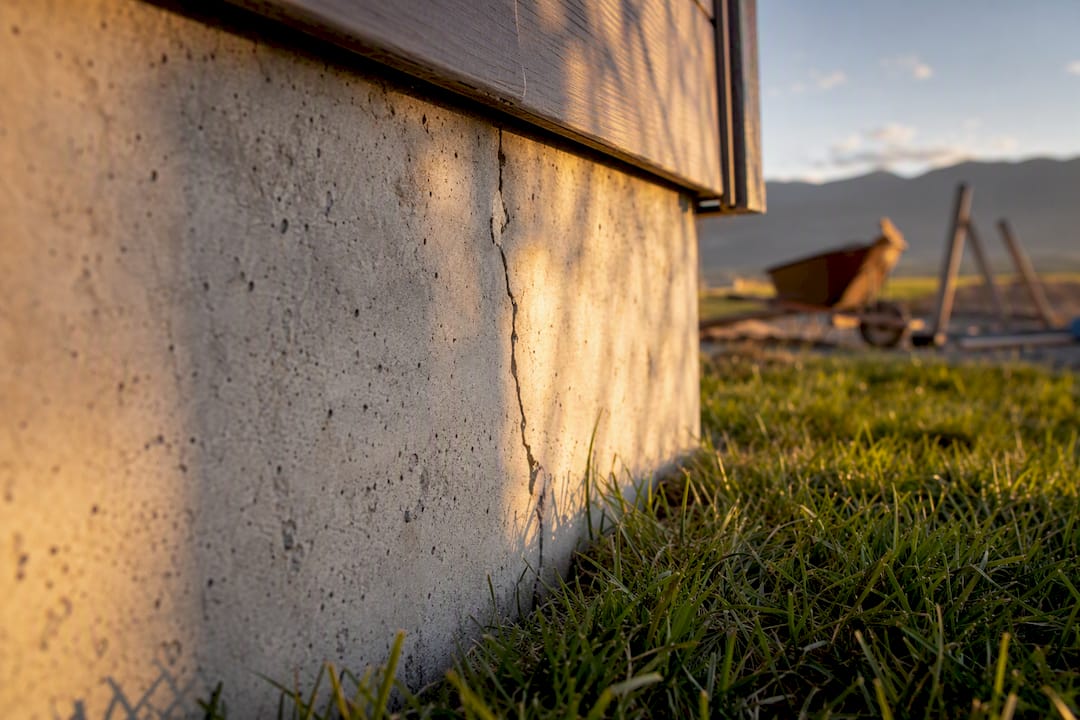
Structural coverage often uses detailed definitions and performance criteria. A crack with water intrusion and a hairline crack each require assessment; neither description alone establishes or excludes structural coverage. Seek qualified evaluation for movement, instability or active water entry.
Program-specific example: New Jersey operates a new-home warranty program. Consult its homeowner booklet for applicable coverage, registration, claim deadlines and fund conditions. Do not treat its tier or remedy rules as Utah requirements.
Confirm the start trigger for each coverage in the signed documents. Closing, initial occupancy and substantial completion can have different roles, and there is no universal earliest-of-three rule. Keep the dated certificate or other record identifying the actual commencement date.
Who Backs Your Warranty, and Does the Law Require One?
Most builder warranties come from the builder itself, but some are administered through third-party warranty companies that handle claims independently, which can mean a more standardized process but also an extra layer between you and a repair decision.
State and federal rules add another layer:
- Florida: Section 553.837 addresses specified defects resulting in material Florida Building Code violations for one year from original conveyance of title or initial occupancy, whichever occurs first, subject to exclusions. This is not a blanket repair warranty or a Utah rule.
- New Jersey: Consult the state program for applicable registration, coverage and dispute procedures.
- FHA financing: Ask the lender which current construction certifications and warranty documents apply; HUD form 92544 is not proof of unrestricted one-year coverage for every defect.
- VA financing: Ask the lender to identify the current new-construction warranty and completion requirements for the specific loan.
Key detail: Do not assume a nationwide ten-year structural mandate. Written coverage and state or loan-program requirements must be checked separately. A lender requirement is not a substitute for the actual warranty booklet.
For a financed build, reconcile the contract, completion certificate and warranty start-date records with your lender. Construction financing explains a separate payment process; a draw or certification does not automatically change the warranty clock.
How Do You File a Warranty Claim?
Filing a claim isn’t complicated, but skipping a step can get it denied. Follow this order:
- Document the defect immediately with photos, video, and a written description including the date you noticed it.
- Check your warranty booklet to confirm the item is covered and you’re still inside the relevant time window.
- Submit written notice to the builder or warranty administrator, never just a phone call, describing the issue and referencing your warranty terms.
- Track every response with dates, names, and what was promised.
Your evidence file should include:
- Timestamped photos and videos of the defect
- A dated written log of when you first noticed it and any changes since
- Copies of all correspondence with the builder
- Receipts if you paid for temporary repairs or inspections
Pro Tip: Send your written notice by certified mail or through a builder’s online portal that timestamps submissions. A phone call is easy to forget or deny later. A dated, written record is not.
Read the plan for acknowledgment, inspection and repair deadlines, then document follow-up against those dates. No general 30-day inspection duty or two-to-three-week escalation window is established here. If safety or active damage is involved, seek prompt professional assistance rather than waiting for a routine response.
What’s Usually Excluded From Coverage?
Warranties don’t cover everything, and knowing the gaps upfront saves you a frustrating call later. Common exclusions include:
- Normal wear and tear on paint, caulking, and finishes
- Damage from homeowner alterations or DIY repairs
- Neglect, like skipping HVAC filter changes or ignoring drainage issues
- Storm, flood, or other weather-related damage
- Appliances and fixtures covered by their own manufacturer warranties, such as a dishwasher or a glass shower enclosure’s hardware warranty
For failed equipment, check both manufacturer coverage and any installation-related builder coverage, then notify the named parties as required. Do not assume the manufacturer must always be contacted first. Keep maintenance records; a maintenance issue does not automatically cancel every unrelated warranty claim.
What Happens if the Builder Disputes Your Claim?
Dispute routes depend on the warranty, applicable program and law. Do not assume a fixed sequence or guaranteed resolution:
- Repair request: Report the issue through the required channel and retain confirmation.
- Formal notice: Check recipients, delivery method and deadlines in the plan and applicable requirements.
- Conciliation or mediation: Determine whether an applicable program offers or requires it.
- Arbitration or court: Review the actual dispute clause with qualified counsel; available remedies and enforceability are case-specific.
Cost check: Ask the program administrator or dispute provider for its current fee schedule and possible inspection, expert and legal expenses. No verified several-thousand-dollar benchmark or automatic state-fund payment is established here. New Jersey fund eligibility and remedies follow that program’s rules.
Your Pre-Closing Warranty Checklist
Handle this before you sign anything, not after:
- Confirm the exact warranty start date in writing.
- Get the complete printed warranty booklet, not a summary sheet.
- Verify who the named warrantor is, builder, state program, or third party, and get direct contact information.
- Ask about transferability if you plan to sell within the coverage period.
- Request written claim procedures and expected response timelines.
- Save every document in one dedicated folder, physical or digital.
- Register with any required state program, if your builder participates in one.
- If you’re financing an addition rather than a full build, our construction punch list guide walks through closeout documentation that pairs well with your warranty file.
When Should You Call a Lawyer or File a Complaint?
Most warranty issues resolve without legal help. Escalate when:
- The builder misses its own stated repair deadlines repeatedly
- Coverage gets denied for something clearly listed in your warranty
- You’re facing a genuine safety risk, like structural movement or active water intrusion
- Arbitration costs outweigh the value of the repair itself
An appropriate consumer agency, licensing board or loan-program contact may explain its complaint process. Confirm jurisdiction and deadlines; an agency complaint may not obtain a repair or preserve separate claims. Keep notices, photos, invoices and a dated chronology. This is general information, not advice about which legal remedy to choose.
A Builder’s Perspective on Warranty Claims
Ask your project team for the written warranty contact, submission method, acknowledgment process and expected response arrangements. Keep copies and photos. The services page is a general contact resource, not a verified claim portal or promise that every request will be repaired.
Frequently Asked Questions
How long is a new home warranty typically good for?
Some plans use one year for workmanship, two for specified systems and ten for defined structural defects. Others differ. Read each coverage period, start date, exclusions and notice deadline in the actual plan.
Does every state require a new construction warranty?
Requirements vary by jurisdiction and program; there is no single nationwide warranty package. Florida’s statute has specific one-year coverage and exclusions, and New Jersey has a dedicated program. Neither establishes the terms for a Utah home.
What’s the difference between a builder warranty and a home warranty?
A builder warranty comes with the home and is contractual, sometimes state-regulated. A home service contract is a separate paid product covering appliances and systems, usually renewed annually.
Can homeowner neglect void warranty coverage?
Maintenance-related damage may be excluded under the warranty’s terms and applicable law. Missing maintenance does not necessarily void all coverage; retain records and ask for the specific basis of any denial.
What should I do first if I find a defect?
Photograph the defect, note when it was discovered, review the notice instructions and submit through the required channel. Preserve delivery confirmation. For urgent safety concerns or active damage, seek appropriate professional assistance promptly.
Before committing to a build, request the proposed warranty and support process in writing. Request a quote from Prestigioushome and confirm any quote or consultation charges directly; no free service or specific warranty response is established here.
This article is general information, not a substitute for advice from a qualified lawyer. Consult a qualified legal professional about your own circumstances before acting on anything here.
Sources
- Florida Statutes — 553.837
- FTC: Warranties for New Homes
- New Jersey homeowner booklet
- For FHA or VA financing, obtain the current applicable documents from the lender rather than relying on agency homepages.
Plan the Next Step
Explore New Home Construction and request a consultation about your proposed construction scope. Confirm deliverables, fees, responsibilities and availability in writing.
References and Verification
References support general planning distinctions, not individual medical, financial, legal, engineering or property-specific approvals. Confirm the current documents applicable to your circumstances.