
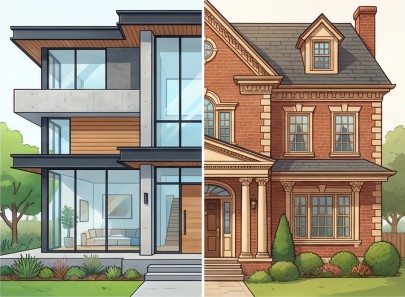
Choosing between modern and traditional architecture is about much more than curb appeal—it’s about creating a home that complements the way you live every day. Your home’s design should reflect your personality, support your routines, and provide the comfort, function, and aesthetic that matter most to you.
Modern homes offer clean lines, open layouts, and smart functionality designed for today’s fast-paced lifestyles. Traditional homes provide timeless charm, craftsmanship, and classic architectural details that evoke warmth and character. Understanding the differences can help you decide which environment truly feels like home.
When discussing a project with Prestigious Home Builders, ask which design, construction and coordination services are included. Use your routines, privacy needs and long-term goals to evaluate the proposed architectural style.
Original article video: Modern VS Traditional | The Interior Design Style Showdown
The Evolution of Architectural Styles
Architectural styles have transformed dramatically over the centuries, shaped by cultural shifts, technological advancements, and changing lifestyle needs. From the ornate craftsmanship of historic homes to the clean minimalism of modern design, each style reflects the values and priorities of its era. Understanding how architecture has evolved can help homeowners choose a design that aligns with both their aesthetic preferences and the way they want to live.
Historical Context of Traditional Architecture
Traditional architecture draws heavily from the past, showcasing classic design elements that have stood the test of time. Styles such as Colonial, Craftsman, Victorian, and Georgian remain popular because of their charm, attention to detail, and emphasis on longevity.
Here’s a closer look at a few hallmark traditional styles:
- Colonial: Known for its symmetry, simplicity, and strong ties to early American history.
- Craftsman: Celebrated for its handcrafted woodwork, exposed beams, and use of natural materials.
- Victorian: Recognized for its ornate details, bold colors, and intricate architectural patterns.
These styles embody timeless beauty and craftsmanship—qualities many homeowners still seek when building or renovating.
The Rise of the Modern Architectural Movement
The shift toward modern architecture emerged as society began prioritizing efficiency, simplicity, and open living spaces. Advances in materials and construction methods allowed architects to break away from heavily ornamented exteriors and embrace clean lines, spacious layouts, and adaptable interiors.
Key characteristics of modern home design include:
- Materials and building practices selected for the project’s performance and environmental goals
- Open floor plans that encourage flow and flexibility
- Smart home technology integration for convenience and comfort
Modern architecture may appeal to homeowners seeking flexible layouts and indoor-outdoor connections. Energy efficiency depends on the specified building systems and enclosure, not the style label.
A hybrid design can combine traditional craftsmanship with modern layouts and detailing. Evaluate its performance and environmental goals explicitly rather than assuming that blending styles delivers either.
Understanding Modern vs. Traditional Architecture
Choosing between modern and traditional architecture starts with understanding what makes each style unique. Both offer distinct advantages, and the right choice depends on how you live, what you value, and the atmosphere you want your home to create.
Modern architecture emphasizes function, simplicity, and innovation. These homes typically feature open-concept layouts, clean lines, minimal ornamentation, and expansive windows that blur the boundary between indoor and outdoor living. The focus is on efficiency, comfort, and a streamlined aesthetic.
Traditional architecture, by contrast, leans into classic materials, detailed craftsmanship, and timeless design elements. These homes often include defined rooms, formal layouts, and architectural details that reflect historical influences. The result is a warm, familiar, and character-rich environment.
Below is a clearer breakdown of the core differences:
| Characteristics | Modern Architecture | Traditional Architecture |
|---|---|---|
| Floor Plan | Open, flexible living spaces | Defined rooms and structured layouts |
| Materials | Steel, glass, concrete, engineered materials | Brick, wood, stone, natural finishes |
| Design Elements | Minimalist, functional, clean lines | Decorative elements, classic proportions, detailed trim |
Understanding these distinctions helps homeowners choose a style that aligns with both their aesthetic preferences and lifestyle needs. By comparing these key traits side by side, you can make an informed decision that ensures your home feels not only beautiful—but truly personal.
Aesthetic Differences Between Modern and Traditional Homes
The visual appeal of a home is often the first thing people notice, and the architectural aesthetic plays a major role in how a space feels and functions. Modern and traditional homes each offer distinct stylistic features that shape the overall atmosphere of your living environment.
Modern homes are known for their clean lines, minimalistic features, and neutral color palettes. This approach emphasizes simplicity, openness, and function over form. The result is a sleek, calming environment that feels fresh and uncluttered.
Traditional homes, in contrast, embrace classic detailing, warm tones, and rich architectural elements. These spaces often feel cozy, inviting, and rooted in historical elegance. The craftsmanship and decorative touches in traditional design contribute to a timeless, character-filled aesthetic.
Key Modern Design Characteristics
- Minimalist design: Open layouts and simple décor create a sense of spaciousness and tranquility.
- Neutral color schemes: Whites, grays, and soft earth tones make rooms feel airy and cohesive.
- Strong emphasis on functionality: Form follows function with streamlined layouts, clean edges, and purposeful elements.
Key Traditional Design Characteristics
- Ornate details: Intricate moldings, cornices, and woodworking showcase craftsmanship and depth.
- Warm, rich color palettes: Deep neutrals, warm browns, and classic hues create an inviting atmosphere.
- Classic materials: Brick, wood, and stone add warmth, durability, and timeless charm.
Understanding these aesthetic differences can help homeowners identify a design direction. When consulting Prestigious Home Builders, discuss how the proposed layout addresses your routines, accessibility, privacy and maintenance needs.
Structural and Material Considerations
Modern homes often feature glass, steel and concrete, while traditional designs commonly emphasize wood, brick and stone. Either style can use these materials, and their appearance does not establish structural or environmental performance.
Compare product-specific service life, maintenance, sourcing and lifecycle impacts. Energy performance depends on the complete assembly, including insulation, glazing and thermal bridges; neither modern nor traditional materials are inherently greener or easier to maintain.
Choosing a home’s style involves more than looks. It’s also about the structure and materials. Prestigious Home Builders can help pick materials that fit your goals and needs. Knowing the costs of different materials is key, as discussed in whether to buy new or renovate.
Key Considerations for Material Selection
- Durability: How long will the materials last?
- Sustainability: Are the materials environmentally friendly?
- Maintenance: What are the ongoing maintenance needs?
- Aesthetic Appeal: How do the materials contribute to the overall look and feel of the home?
Choosing between modern and traditional architecture requires understanding the materials and structure. By considering the pros and cons of each, homeowners can make choices that fit their lifestyle and environmental goals.
Space Utilization and Floor Plans
How a home uses space has a major impact on comfort, functionality, and daily living. Modern and traditional architectural styles approach layout and flow very differently, and understanding these distinctions can help homeowners choose a design that truly supports their lifestyle.
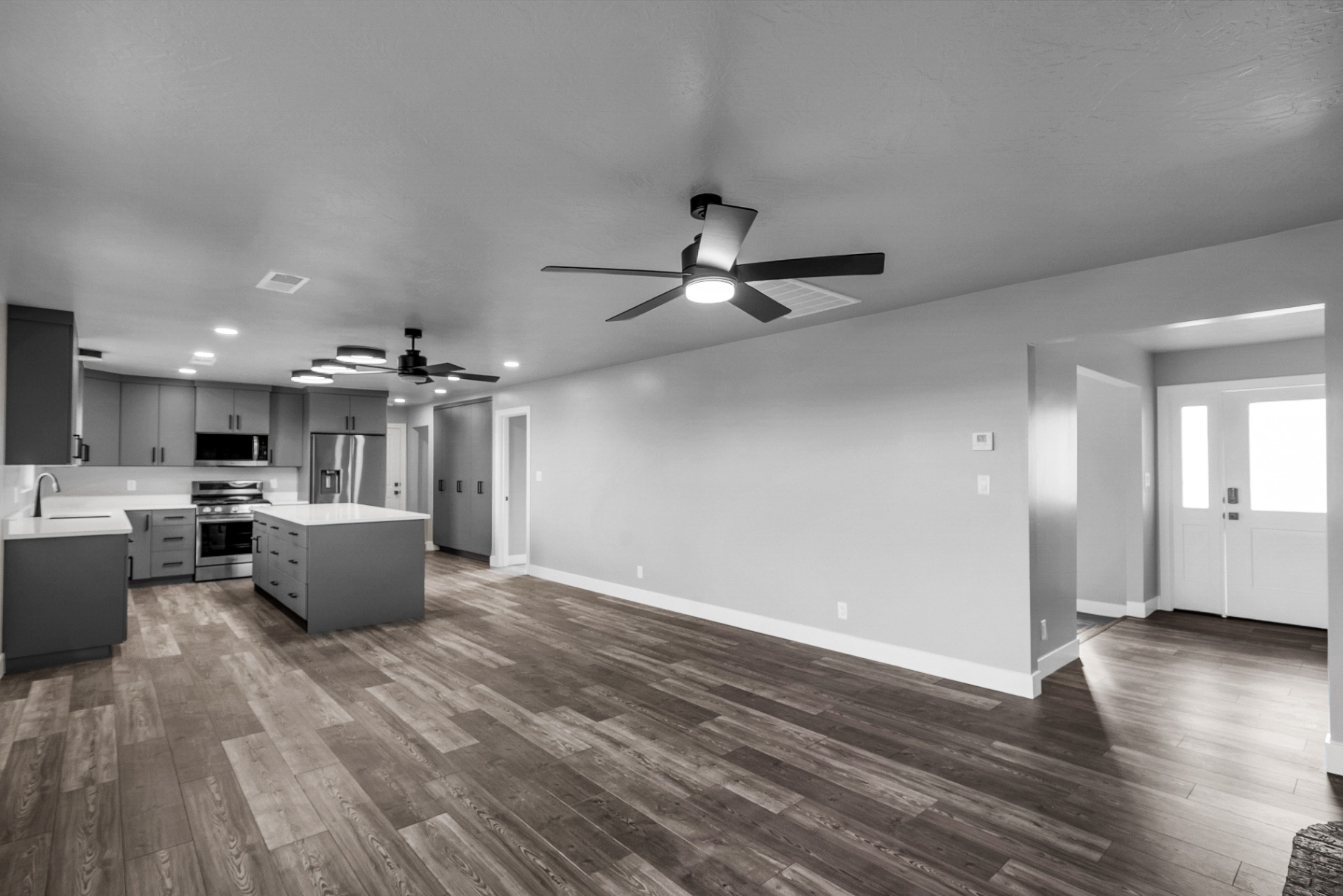
Modern homes prioritize open concept living, where the kitchen, dining area, and living room blend into one continuous space. This layout creates a bright, spacious environment that encourages connection, flexibility, and ease of movement. Open floor plans are especially popular among families who enjoy entertaining or prefer a more casual living experience.
Traditional homes, in contrast, feature compartmentalized floor plans with distinct rooms for specific activities. Separate living rooms, dining rooms, and kitchens provide more privacy, structure, and noise control—qualities many homeowners appreciate for work, relaxation, or formal gatherings.
Another major distinction is the indoor–outdoor flow. Modern homes often incorporate expansive windows, sliding glass doors, and outdoor living extensions that blur the line between interior and exterior spaces. This design enhances natural light, promotes ventilation, and creates a stronger connection to the surrounding environment. Traditional layouts typically limit this integration, resulting in a more defined and enclosed feel.
Original article video: Traditional Craftsman vs Modern Contemporary: Which is right for you?
Key Takeaways
- Modern homes emphasize open concept living and seamless indoor–outdoor transitions.
- Traditional homes prioritize privacy and structure with separate, clearly defined rooms.
- Your preferred lifestyle—social, private, formal, or flexible—can help determine which layout suits you best.
For a design discussion with Prestigious Home Builders, prepare examples of how you use each room and identify privacy, circulation and accessibility priorities before selecting a layout.
Comparison Overview
| Feature | Modern Homes | Traditional Homes |
|---|---|---|
| Space Utilization | Open concept living | Compartmentalized rooms |
| Indoor–Outdoor Flow | Large windows, sliding glass doors, outdoor integrations | Minimal indoor–outdoor connection |
Lifestyle Compatibility: Who Thrives in Each Style?
Selecting between modern and traditional architecture is more than a design preference—it’s a decision that influences how you live, gather, work, and relax in your home. The right architectural style should complement your lifestyle, support your daily routines, and reflect your personal values.
Modern Architecture for Contemporary Living
Modern homes are ideal for individuals or families who appreciate openness, flexibility, and a bright, airy environment. With open floor plans and expansive windows, these homes invite natural light and encourage seamless interaction between living areas. Modern design works especially well for:
- Entertainers who enjoy hosting gatherings
- Families with young children who benefit from open sightlines
- Homeowners who value adaptability, allowing the space to evolve over time
- People who love natural light and indoor-outdoor living
The clean lines and uncluttered layouts of modern homes make them perfect for those seeking a fresh, minimalistic lifestyle.
Traditional Architecture for Classic Lifestyles
Traditional homes cater to people who appreciate timeless design, defined rooms, and architectural character. Their structured layouts offer privacy and a sense of coziness that many homeowners find comforting. Traditional design is a strong fit for:
- Families who prefer separate spaces for work, study, and relaxation
- Homeowners who enjoy formal dining or hosting classic family gatherings
- People who appreciate craftsmanship, such as detailed moldings, woodwork, and historical elements
- Individuals who work from home, benefiting from designated, private rooms
Traditional architecture creates a warm, familiar environment that feels rooted in history and tradition.
Choosing the Right Style for Your Lifestyle
The decision between modern and traditional should reflect the way your family lives now—and how you plan to live in the years ahead. Modern layouts support openness and connection, while traditional designs offer privacy and structure. Both can be beautiful and functional when thoughtfully planned.
Ask Prestigious Home Builders how style selection and design coordination would be handled for your project. Review the proposed layout against your current routines and likely future needs.
Energy Efficiency and Sustainability Approaches
As sustainable living becomes a priority for homeowners, architectural design has shifted to incorporate environmentally conscious building practices. Both modern and traditional home styles now embrace green innovations aimed at reducing environmental impact, lowering utility costs, and improving long-term home performance.
Neither modern nor traditional architecture is inherently more energy-efficient. Compare enclosure performance, air leakage, HVAC efficiency, shading, orientation and any renewable-energy system.
Large windows can improve daylight access but may also increase heat loss, solar heat gain and glare. Traditional homes can incorporate energy upgrades, subject to existing conditions, moisture management and any applicable preservation constraints. Evaluate expected results for the specific home.
Sustainable Materials and Building Practices
Regardless of style, evaluate material choices using sourcing, emissions, durability and lifecycle evidence. Reclaimed wood may displace new lumber, but its condition and suitability still need review. Recycled content and low-VOC labels do not establish overall environmental performance.
Comparative Energy Efficiency Features
| Feature | Modern Homes | Traditional Homes |
|---|---|---|
| Insulation | Specify assembly performance; style does not establish insulation quality | Specify assembly performance; existing homes may need carefully detailed upgrades |
| Windows | Compare whole-product ratings, orientation and shading | Compare whole-product ratings, orientation and shading; consider existing openings and details |
| Energy Sources | Renewable systems are optional and site-dependent | Renewable systems are optional and site-dependent |
For either style, define measurable performance goals before choosing upgrades. Ask Prestigious Home Builders which design responsibilities, energy assessments and product documentation are included in the proposed scope. Do not assume an upgrade will increase resale value or deliver a particular energy saving.
Cost Considerations: Building and Maintaining Different Styles
Whether you choose a modern or traditional home, understanding the financial implications is essential. Construction costs, long-term value, and maintenance requirements can vary significantly between these architectural styles—and these factors should play a major role in your decision-making process.
Neither style has an inherent construction-cost advantage. Large glazing areas, long structural spans, complex roofs and custom systems can increase costs in either style; ornate trim, masonry and detailed craftsmanship can also add expense.
Compare project-specific estimates with equivalent floor area, site conditions, structural requirements, finish quality and system specifications before choosing on budget grounds.
Resale performance depends on local buyer preferences, comparable sales, location, condition, layout and overall market conditions. Neither traditional nor modern architecture guarantees value retention or a stable investment. Consult a local appraiser or real estate professional when resale is a priority.
Maintenance Costs: Modern vs. Traditional Homes
Ongoing upkeep is another key cost factor:
- Modern-home maintenance depends on actual roofing, glazing, cladding, sealants and access requirements; minimal ornament does not guarantee lower upkeep.
- Traditional-home maintenance depends on materials and detailing; painted wood and elaborate trim may require attention, but durable assemblies are possible in either style.
Compare component-specific maintenance schedules and replacement costs rather than assuming a style-based advantage.
Planning for Future Remodeling
If you anticipate updating or renovating your home, consider the potential costs of transitioning between styles. Full-home remodels—especially converting a traditional structure into a more modern design—can involve structural changes, new materials, and design upgrades.
Ask Prestigious Home Builders to confirm the available construction or remodeling scope and explain estimate assumptions, exclusions and allowances.
Working with Custom Home Builders on Your Architectural Vision
When evaluating a custom builder, ask how design coordination, budgeting, specifications and construction responsibilities are allocated. Confirm whether architectural and engineering services are included or provided separately.
For a discussion with Prestigious Home Builders, prepare your preferred styles, daily routines, budget priorities and examples of relevant details. Request a written explanation of consultation services and deliverables.
Before signing, review the proposed communication process, allowances, change-order procedure, inspections and walkthrough arrangements.
Assess relevant completed projects and references rather than relying on broad claims about craftsmanship, customer satisfaction or service quality.
Conclusion: Making the Right Architectural Choice for Your Future Home
Selecting the ideal architectural style for your home is one of the most important decisions you’ll make. Your choice should reflect your personal taste, lifestyle needs, long-term goals, and how you envision living in the space every day. Both modern and traditional designs offer unique benefits—and with the right planning, each can be tailored to create a home that feels truly yours.
As you weigh your options, consider factors such as aesthetics, structural durability, energy efficiency, and future adaptability. The best architectural decision is one that supports how you live today while remaining flexible for the years ahead.
Discuss your design priorities with Prestigious Home Builders and confirm the team’s role, relevant experience and proposed deliverables before proceeding.
By choosing thoughtfully and working with the right builder, you can craft a home that is timeless, comfortable, and perfectly aligned with your lifestyle—a place you’ll love living in for many years to come.
FAQ
What are the main differences between modern and traditional architecture?
Modern homes are simple, with clean lines and focus on function. Traditional homes have classic styles, ornate details, and timeless elegance.
Which architectural style is more energy-efficient?
Neither style is inherently more energy-efficient. Compare insulation, air leakage, window ratings, shading, HVAC systems and verified energy assessments; solar panels and efficient appliances can be incorporated into either style.
What are the benefits of open concept living in modern homes?
Open concept living areas in modern homes feel spacious. They let in more natural light and encourage socializing, perfect for families and hosts.
Can traditional homes be adapted for energy efficiency?
Yes, traditional homes can be made more energy-efficient. They can be updated with smart design and energy-saving features.
How do I choose the right architectural style for my lifestyle?
Think about what you like, your lifestyle, and your future goals. Talking to experts like Prestigious Home Builders can help.
What are the cost considerations for building and maintaining modern and traditional homes?
Construction and maintenance costs depend on site conditions, size, structural complexity, materials, systems and detailing. Compare equivalent project estimates and component maintenance schedules; neither style necessarily costs less.
What are the benefits of working with custom home builders?
A custom builder can coordinate the agreed construction scope and work with the design team. Confirm responsibilities, relevant experience, references and quality-control procedures with Prestigious Home Builders rather than assuming design services or guaranteed results.
How do modern and traditional architecture differ in terms of materials and construction techniques?
Modern homes use materials like glass, steel, and concrete. Traditional homes use natural materials like wood, brick, and stone, showing their design and aesthetic goals.
Can I incorporate green innovations into my traditional home design?
Traditional designs can incorporate energy upgrades. Evaluate enclosure details, equipment, site suitability and product-specific environmental evidence rather than assuming that a style or material label establishes performance.
What is the importance of indoor-outdoor flow in modern homes?
Modern homes focus on blending indoors and outdoors. They use large windows and open layouts to create a seamless transition between spaces.
References and Verification
These references support the planning distinctions above, not a project-specific approval, incentive award or financial outcome. Verify the rules and documents applicable to your address, installation date and agreement.
Plan the Next Step
Explore New Home Construction and request a consultation for your proposed construction scope. For a separate high-end construction discussion, explore Luxury Home Construction.